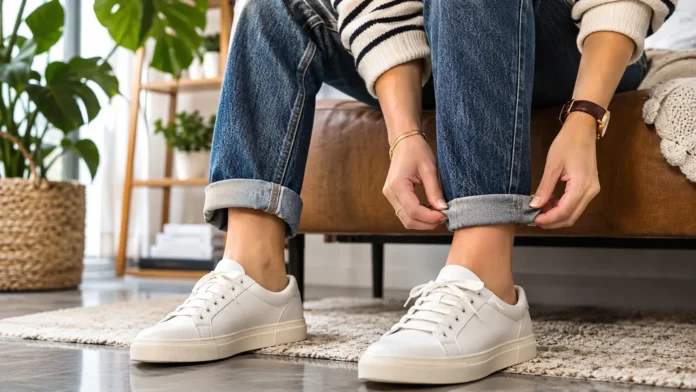
Jeans are one of the most versatile pieces of clothing, but sometimes their length or overall appearance does not feel quite right. You may have a favorite pair that gathers around your shoes or simply want to add something different to an everyday outfit. Learning how to cuff jeans is an easy way to adjust their appearance without sewing or making permanent changes. With a few simple folds, you can create a neat finish that works with different denim styles and footwear.
Cuffing jeans is not just about shortening the hem. It can also highlight your shoes, add structure to relaxed outfits, and bring attention to interesting denim details. Whether you prefer skinny jeans, straight-leg denim, boyfriend jeans, or wide-leg styles, there is a cuffing method worth trying. This guide explains practical techniques, common mistakes, and easy styling ideas to help you get started.
What Does It Mean to Cuff Jeans?
Cuffing jeans means folding the bottom edge of each pant leg upward to create a visible hem. This simple adjustment changes how jeans sit around your shoes and ankles. Some people use cuffs to manage extra fabric, while others enjoy the casual detail they add. The technique works with many denim styles and requires no special equipment.
A jean cuff can be narrow, wide, loose, or carefully structured depending on your preference. Smaller folds often create a subtle finish, while larger cuffs make the folded fabric more noticeable. You can also choose whether to reveal the lighter underside of the denim. These details allow the same pair of jeans to work with different outfits.
Unlike permanent hemming, cuffing gives you flexibility whenever you want to change your style. You can unfold your jeans, adjust the width, or experiment with another technique in seconds. This makes cuffed denim particularly useful for people exploring different footwear combinations. Understanding the basic idea is the first step toward creating comfortable and practical outfits.
Why Cuffing Jeans Can Improve Your Everyday Outfits
One useful benefit of cuffing jeans is the ability to adjust their length without visiting a tailor. Jeans that extend slightly beyond your preferred length can often be folded neatly above your shoes. This prevents extra fabric from gathering around the bottom of the leg. A simple cuff can make an everyday outfit feel more intentional.
Cuffs also help draw attention to footwear that might otherwise remain partially hidden. Sneakers, loafers, flats, and ankle boots can become more visible when the denim hem is adjusted. This technique works particularly well when you want your shoes to contribute to the overall outfit. The result can be casual, polished, or relaxed depending on your clothing choices.
Another advantage is that cuffing allows you to experiment without purchasing additional jeans. A narrow fold may create a clean finish suitable for everyday activities. A wider roll can introduce a more noticeable casual detail. These small changes make cuffing a flexible styling technique for different seasons, occasions, and personal preferences.
How to Cuff Jeans Using the Classic Single Fold
The single cuff is one of the easiest techniques for anyone learning how to cuff jeans. Start by standing comfortably with your jeans falling naturally over your shoes. Take the bottom edge of one pant leg and fold it upward approximately one inch. Smooth the folded fabric with your fingers to create a clean, even line.
Repeat the process on the other pant leg, using the first cuff as a reference. Both folds should have a similar width, although minor differences are perfectly acceptable. Check how the jeans look while standing and walking. If the fabric feels uncomfortable or looks uneven, unfold the cuffs and make small adjustments.
This technique works particularly well with straight-leg jeans and denim that already fits comfortably. It creates a simple finish without adding too much thickness around the hem. The classic single fold pairs easily with sneakers, casual shoes, and loafers. It is also a convenient choice when you want a subtle adjustment rather than a dramatic styling detail.
How to Make a Double Cuff for a Neater Finish
The double cuff involves folding the hem upward twice instead of leaving a single visible fold. Begin by turning the bottom edge upward about one inch, making sure the fabric lies flat. Fold the same section upward again to create a compact cuff. Adjust the width until the jeans sit at your preferred length.
A double cuff can help keep the folded fabric in place more securely than a loose single fold. This is useful when wearing jeans throughout a busy day. However, very thick denim may feel bulky when folded several times. Choosing a comfortable cuff width helps maintain a natural appearance around your ankles.
Straight-leg and slim-fit jeans often work well with this method because their hems are relatively easy to fold. Pair double-cuffed denim with low-top sneakers or simple flats for a relaxed outfit. You can also combine it with casual shirts and lightweight jackets. The result is a neat, practical styling detail that requires little effort.
How to Pinroll Jeans for a Tapered Look
Pinrolling is a cuffing technique that makes the lower part of a pant leg appear narrower. It can be useful when jeans feel slightly loose around the ankle. Unlike a standard cuff, pinrolling involves gathering a small amount of fabric before folding. This creates a more fitted finish without permanently altering the jeans.
Start by pulling the excess fabric toward the inside of your ankle. Fold the loose material backward so it lies neatly against the pant leg. Hold this fold in place while turning the hem upward once or twice. The cuff should feel secure without restricting movement or creating uncomfortable pressure.
Pinrolling works well with some straight-leg and relaxed-fit jeans, particularly when the denim is not too thick. It can make sneakers more visible and reduce excess fabric around the shoes. Avoid pulling the fabric excessively tight, as this may distort the leg shape. A comfortable pinroll should look natural and remain easy to adjust.
How to Cuff Straight-Leg Jeans Without Making Them Bulky
Straight-leg jeans are a versatile option because their consistent leg width allows different cuffing styles. A small single fold creates a subtle finish that works with many casual outfits. You can also use a double cuff when the jeans have extra length. The ideal approach depends on fabric thickness and how the hem falls over your footwear.
For medium-weight denim, begin with a narrow cuff and examine the result while standing. If the hem still gathers around your shoes, increase the fold slightly. Avoid making several large folds, especially when the jeans already have a structured shape. Too much fabric around the ankle can make the cuff feel heavy.
Straight-leg denim pairs comfortably with trainers, loafers, casual boots, and flat shoes. A narrow cuff can create a simple everyday appearance, while a slightly wider fold adds more visible detail. Experiment with different cuff heights to find what works best with your shoes. Small adjustments often provide the most natural-looking results.
How to Cuff Skinny Jeans for a Clean Appearance
Skinny jeans have a narrower leg opening, which means their cuffs behave differently from those on relaxed denim. Because the fabric sits closer to the ankle, large folds can feel restrictive or create unnecessary bulk. Small, careful adjustments generally work better. A narrow single cuff is often enough to change the hem placement.
Start by folding a small section of fabric upward without stretching the jeans tightly around your ankle. Smooth the cuff gently and check whether the leg opening remains comfortable. If necessary, make a second narrow fold instead of one oversized roll. Stretch denim may hold its shape differently from rigid denim, so comfort should guide your decision.
Skinny jeans with narrow cuffs can work with ankle boots, sneakers, and ballet flats. Their fitted shape already creates a defined line, so dramatic folding is usually unnecessary. You may also prefer leaving the hem unfolded if the jeans fit well. Cuffing should improve comfort and styling flexibility rather than become a requirement for every outfit.
How to Cuff Boyfriend Jeans for a Relaxed Outfit
Boyfriend jeans typically feature a looser shape that makes them suitable for casual cuffing techniques. Their relaxed fit provides enough room to create visible folds without restricting the ankle. A double cuff is a popular option because it adds structure to the loose fabric. This can help keep the hem away from your footwear.
Begin by folding the bottom of each pant leg upward approximately one to two inches. Make a second fold if you want the cuff to sit higher. You can leave the edges slightly relaxed rather than pressing them perfectly flat. This creates an easygoing appearance that complements the casual character of boyfriend denim.
Cuffed boyfriend jeans work well with T-shirts, button-down shirts, comfortable knitwear, and casual jackets. Sneakers and loafers are practical footwear options for everyday wear. For a different look, try pairing the jeans with ankle boots. Adjusting the cuff width allows you to create several outfits from the same pair of denim.
How to Cuff Wide-Leg Jeans Without Losing Their Shape
Wide-leg jeans have generous fabric around the lower leg, which makes cuffing slightly different from narrower denim styles. A large roll can add considerable bulk and change the way the jeans fall. However, a carefully placed fold can still work well. The key is preserving the relaxed shape while adjusting the hem.
Start by folding the bottom edge upward once, keeping the fabric evenly distributed around the leg. Check whether the cuff stays in place when you walk. Lightweight denim may be easier to manage because it creates less thickness. If the fabric is very heavy or the jeans are considerably long, professional hemming may be more practical.
Wide-leg jeans can also look appealing with their original hems left untouched. When choosing to cuff them, try pairing the result with simple sneakers or other comfortable shoes. Avoid forcing narrow pinroll techniques onto very wide leg openings. A natural fold generally complements the shape better than a tightly gathered cuff.
How to Cuff Baggy Jeans Without Changing Their Relaxed Style
Baggy jeans are designed with additional room through the legs, giving them a loose and comfortable appearance. Their extra fabric creates opportunities for larger cuffs and casual folds. However, cuffing too much material can make the bottom of the jeans feel heavy. A simple approach usually keeps the relaxed character intact.
For a basic cuff, turn the hem upward once and allow the fabric to fall naturally. If the jeans are too long, add another fold while keeping the width consistent. You can also try a loosely structured roll for a more casual finish. Make sure the cuff does not drag on the ground or interfere with walking.
Baggy denim often pairs well with casual sneakers, oversized shirts, and relaxed jackets. A visible cuff can highlight your shoes while maintaining the jeans’ loose silhouette. Try different widths depending on the fabric and footwear. The aim is to create a comfortable outfit that reflects your preferences rather than forcing a particular trend.
How to Cuff Jeans With Sneakers
Sneakers are among the easiest footwear options to combine with cuffed jeans. Folding the hem can reveal more of the shoes and prevent denim from gathering over their upper sections. This is especially useful with low-top sneakers. Both single and double cuffs can work depending on the jeans’ shape and length.
For a clean everyday look, begin with a small cuff that leaves the top of your sneakers visible. Check how the jeans sit when you walk or bend your knees. The cuff should remain comfortable and avoid creating excessive bunching. If you prefer a relaxed appearance, allow the fabric to rest naturally near the shoe opening.
Different sneaker styles may benefit from slightly different cuff placements. Chunkier trainers can work with straight or relaxed denim, while streamlined sneakers pair easily with narrower leg openings. Neutral shoes create simple combinations, while colorful sneakers can add personality. Experimenting with the cuff height helps you find a balanced and practical outfit.
How to Cuff Jeans With Ankle Boots
Ankle boots can look different depending on where the jeans end in relation to the boot opening. Cuffing provides a simple way to control this placement without permanently shortening the trousers. A small fold may reveal the top of the boots. Alternatively, you can create a cuff that rests just above their opening.
Straight-leg jeans are particularly easy to style with ankle boots because their hems can sit naturally over or near the footwear. Try a single cuff first, then adjust its width if necessary. Avoid creating a thick roll directly against a narrow boot opening. This can cause the fabric to bunch or feel uncomfortable while walking.
For a casual outfit, combine cuffed jeans with ankle boots and a simple sweater or jacket. A structured coat or button-down shirt can create a slightly more polished appearance. The best cuff placement depends on the boots’ height and the jeans’ fit. Comfort and natural fabric movement are more important than following an exact measurement.
How to Style Cuffed Jeans With Loafers and Flats
Loafers and flats offer another easy way to style cuffed denim for everyday activities. A narrow cuff can keep the hem away from the top of the shoes and make their design more visible. This combination works well for casual workplaces, shopping, and relaxed social occasions. It also requires very little additional styling.
Straight-leg and slim-fit jeans are practical choices for pairing with loafers. Fold the hem once or twice depending on its original length. Keep the cuff relatively narrow when you want a simple and tidy finish. For flats, a small fold can help prevent loose fabric from covering the shoes.
Complete the outfit with a plain shirt, lightweight cardigan, or casual blazer. Neutral colors can create a coordinated appearance, while patterned tops introduce variety. You can also use accessories such as belts and bags to connect the different elements. The cuff becomes a small styling detail that supports the entire outfit.
How to Choose the Right Cuff Width for Your Jeans
Cuff width influences how noticeable the folded hem becomes and how the fabric sits around your shoes. Narrow cuffs generally create subtle adjustments, while wider folds make a stronger visual statement. The ideal width depends on the denim material, leg opening, and original length. There is no single measurement that works for every pair.
For a starting point, try a fold around one inch wide and adjust it as needed. Smaller cuffs often work well with slim jeans, while slightly wider folds can suit relaxed denim. Thick materials may require fewer folds to avoid unnecessary bulk. Lightweight fabrics provide more flexibility when experimenting with different cuffing techniques.
Your footwear should also influence the cuff width you choose. A narrow fold can work with simple sneakers and loafers, while a wider cuff may suit certain casual boots. Examine the complete outfit rather than focusing only on the hem. A comfortable, balanced result matters more than following strict cuffing rules.
Common Mistakes to Avoid When Cuffing Jeans
One common mistake is folding jeans too many times, especially when working with thick denim. Multiple layers can create a bulky hem that feels uncomfortable around the ankle. This may also cause the cuff to unfold or lose its shape while walking. Starting with one or two folds is generally a more manageable approach.
Another mistake is making cuffs uneven without intending to create an asymmetrical appearance. Small differences are normal, but noticeably different cuff heights can make the jeans sit awkwardly. Check both legs after folding and make adjustments while standing. It also helps to walk a few steps before deciding whether the cuffs are comfortable.
Ignoring the original shape of the jeans can also lead to disappointing results. For example, tightly pinrolling very wide denim may create awkward bunching. Similarly, oversized cuffs on skinny jeans can feel restrictive. Selecting a method that works with the existing leg shape usually produces a more natural and practical finish.
How to Keep Your Jeans Cuffed Throughout the Day
Keeping cuffs in place begins with choosing a folding method that suits the material. Rigid denim may hold a structured cuff well, while soft or stretchy fabrics can shift during movement. Make sure each fold lies flat before leaving home. A double cuff may provide additional stability for some jeans.
If the cuff keeps unfolding, experiment with a narrower fold or reduce the amount of fabric being rolled. You can also smooth the material after each fold to remove unnecessary bunching. Avoid making the cuffs excessively tight because this may affect comfort. The goal is to achieve a secure finish without restricting movement.
For stubborn cuffs, a light press with an iron may help establish a fold if the garment’s care label permits ironing. Use an appropriate temperature and protect delicate fabrics when necessary. Avoid adding permanent creases unless that is the appearance you want. Simple adjustments during the day are often enough to maintain cuffed jeans.
How to Cuff Jeans for Different Seasons
Cuffing jeans can be useful throughout the year, although the most comfortable approach may change with the weather. During warmer months, a small fold can keep the hem away from shoes and reveal more of the ankle. Lightweight denim is particularly easy to adjust. Pairing cuffed jeans with breathable tops creates a practical casual outfit.
In cooler weather, cuffs can help jeans sit comfortably around ankle boots and other closed footwear. However, large gaps between the hem and shoes may feel uncomfortable in low temperatures. Socks can provide additional coverage when needed. Choosing the right cuff height helps you adapt the same denim to changing weather conditions.
Seasonal styling does not require a completely different cuffing method. You can adjust fold width, footwear, and clothing layers according to comfort. For example, straight-leg jeans may work with sneakers during spring and boots during autumn. This flexibility makes cuffing a useful everyday technique rather than a style reserved for one season.
When Should You Cuff Jeans Instead of Hemming Them?
Cuffing is a practical choice when jeans are only slightly longer than you prefer. It allows you to adjust their length without changing the original garment. This is especially helpful when you want to wear the same pair with different shoes. The fold can be removed whenever you prefer the original hem.
Hemming may be a better solution when jeans are considerably too long or the fabric creates excessive bulk. A permanent alteration can provide a cleaner finish for trousers that require significant shortening. It may also be more comfortable with heavy wide-leg denim. However, hemming reduces the flexibility offered by removable cuffs.
The decision depends on how frequently you need to adjust the length and whether you enjoy the visible folded detail. If you regularly change footwear, cuffing provides convenient styling options. If you prefer a consistent, unfolded hem, tailoring may be more suitable. Both approaches can improve the practicality of your favorite jeans.
Conclusion
Learning how to cuff jeans is a simple way to adjust denim length and experiment with everyday outfits. Single folds, double cuffs, and pinroll techniques each provide different results. The best choice depends on your jeans’ shape, fabric thickness, and footwear. A few small adjustments can make familiar denim feel fresh and comfortable.
Straight-leg, skinny, boyfriend, wide-leg, and baggy jeans can all work with cuffing when the method suits their design. Narrow folds often provide a neat finish, while wider cuffs add a more visible casual detail. There is no need to follow one styling rule for every outfit. Personal comfort and practical movement should always guide your decisions.
The easiest way to get started is to try a single cuff and experiment with its width. Observe how the jeans sit around different shoes, then adjust the fold until it feels right. With a little practice, cuffing becomes a quick and flexible styling habit. It offers an easy way to enjoy your existing denim in different ways.
Frequently Asked Questions (FAQs)
What is the easiest way to cuff jeans?
The easiest method is a single cuff. Fold the bottom hem upward about one inch, smooth the fabric, and repeat on the other leg. Adjust the width until both cuffs feel comfortable.
Should you cuff straight-leg jeans?
Straight-leg jeans are well suited to cuffing because their even leg shape supports simple folds. A narrow single or double cuff can adjust the length and highlight your shoes without creating excessive bulk.
How do you cuff jeans without making them look bulky?
Use narrow folds and avoid rolling thick denim several times. Choose a cuffing technique that suits the original leg opening, and smooth the fabric to reduce bunching around the ankles.
Can you cuff wide-leg jeans?
Yes, wide-leg jeans can be cuffed using a simple, even fold. Lightweight denim is usually easier to manage. Avoid tight pinrolls and oversized cuffs that interfere with the relaxed shape of the jeans.
Is it better to cuff jeans or hem them?
Cuffing works well when you want temporary length adjustments and styling flexibility. Hemming is often more practical for significantly oversized lengths or thick denim that does not hold a comfortable fold.