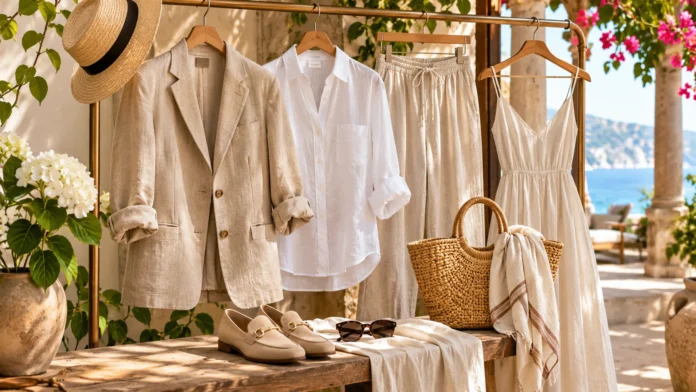
Linen is one of the most comfortable and versatile fabrics in everyday fashion. Its breathable texture, lightweight feel, and relaxed appearance make it a popular choice for warm weather. Whether you prefer casual outfits or elegant clothing, linen offers many ways to create a stylish look without sacrificing comfort.
However, wearing linen well involves more than choosing a linen shirt or pair of trousers. Understanding its texture, fit, colors, and care requirements can help you build outfits that look polished and feel comfortable. This linen fabric guide explains how to style linen clothing, choose quality pieces, and make this natural fabric work for different occasions.
What Is Linen Fabric and Why Is It Popular?
Linen is a natural textile made from the fibers of the flax plant. It has been used for clothing and household fabrics for thousands of years because of its strength and comfort. Today, linen remains popular in modern fashion for its breathable structure, distinctive texture, and effortless appearance that works with many clothing styles.
Unlike some smooth synthetic materials, linen has a slightly textured surface that gives clothing a natural character. Its fibers allow air to circulate, helping wearers stay comfortable in warm conditions. Linen also absorbs moisture and generally dries relatively quickly, making it a practical choice for summer outfits, travel wardrobes, and everyday casual clothing.
Another reason people appreciate linen is its timeless appeal. Linen shirts, dresses, trousers, and jackets can remain stylish across changing fashion trends. The fabric also becomes softer through repeated washing and regular wear. With suitable care, well-made linen garments can provide lasting comfort and become dependable pieces in a versatile wardrobe.
Understanding the Different Types of Linen Fabric
Not all linen fabrics feel or behave the same way. Different weaving methods, fabric weights, and finishing treatments influence their appearance and comfort. Lightweight linen is commonly used for summer shirts, flowing dresses, and relaxed tops because it feels airy. Heavier linen offers more structure and works well for trousers, jackets, and tailored garments.
Pure linen is made entirely from flax fibers and usually has a crisp feel when new. Linen blends combine flax with materials such as cotton, viscose, or other fibers to change the texture and drape. For example, linen-cotton blends may feel softer initially, while linen-viscose fabrics can create a smoother, more flowing silhouette for dresses.
Fabric quality also depends on yarn consistency, weave construction, and finishing rather than fiber content alone. Closely examine the material before purchasing to understand its thickness, softness, and transparency. Some lightweight linen fabrics may require suitable underlayers, especially in pale colors. Choosing the correct type helps ensure your clothing matches your intended style and comfort needs.
Why Linen Is a Great Choice for Warm Weather
Linen is especially useful during warm weather because its breathable construction encourages airflow around the body. Loose linen garments can feel comfortable when temperatures rise, particularly compared with heavy or tightly woven clothing. This makes linen shirts, shorts, trousers, and dresses practical choices for summer activities, outdoor gatherings, and relaxed days.
Moisture management is another useful feature of linen fabric. Its fibers can absorb perspiration, while the fabric generally releases moisture relatively quickly under suitable conditions. However, comfort still depends on the garment’s thickness, cut, and surrounding humidity. Lightweight linen clothing with a relaxed fit often provides a pleasant balance between coverage and ventilation.
Linen also offers styling flexibility throughout the warmer months. A linen button-down shirt can work over a simple T-shirt, while loose trousers create an easy daytime outfit. For evenings, structured linen separates can produce a more refined appearance. These options allow you to maintain a coordinated wardrobe without relying on complicated styling techniques.
How to Choose Linen Clothing That Fits Well
Choosing the right fit is essential when styling linen clothing. Linen usually has limited natural stretch, so garments should allow enough space for comfortable movement. Shirts should sit comfortably across the shoulders, while trousers should provide room when sitting or walking. A well-fitting linen outfit creates a balanced appearance without feeling restrictive.
Relaxed linen silhouettes are popular because they complement the fabric’s natural drape. However, relaxed does not mean that every garment needs to be oversized. A loose linen shirt can pair nicely with straight-leg trousers, while fitted tops can complement wide-leg linen pants. Combining different shapes creates visual balance and keeps an outfit looking intentional.
Always consider how the garment behaves during movement before deciding on a size. Sit, reach, and walk naturally to check whether the fabric pulls or feels uncomfortable. Linen can also shrink if washed or dried incorrectly, particularly when the fabric has not been preshrunk. Reviewing care instructions helps you select pieces that maintain their intended fit.
How to Style Linen Shirts for Everyday Outfits
Linen shirts are versatile wardrobe essentials that work with casual and smart-casual clothing. For a relaxed daytime look, combine a linen button-down shirt with denim jeans or cotton chinos. Neutral colors such as white, beige, and light blue are easy to coordinate. Rolling the sleeves can add a casual finishing touch without requiring extra accessories.
For a slightly dressier outfit, wear a linen shirt tucked into tailored trousers. A leather belt and simple loafers can create a polished appearance suitable for informal dinners or casual office settings. Choose a shirt with a neat collar and appropriate fit. A lightweight linen blazer can provide another layer when the occasion requires refinement.
Linen shirts also work well as lightweight layering pieces. An open linen shirt over a plain T-shirt creates an effortless weekend outfit. You can combine this look with straight-leg jeans, relaxed shorts, or casual trousers. During warmer months, breathable layers provide flexibility when moving between outdoor temperatures and air-conditioned indoor spaces.
How to Wear Linen Pants and Shorts Stylishly
Linen pants offer a comfortable alternative to heavier trousers, especially during warmer seasons. Wide-leg and straight-leg styles work well with fitted T-shirts, knitted tops, and lightweight button-down shirts. Neutral trousers in beige, cream, olive, or navy can complement many wardrobe colors. Simple combinations often highlight the fabric’s natural texture without creating a busy appearance.
For a more refined look, choose linen trousers with a structured waistband and clean front. Pair them with a neatly tucked shirt or a lightweight blazer for smart-casual occasions. Footwear such as loafers, minimal sneakers, or simple flats can complete the outfit. The right combination depends on the setting and your preferred personal style.
Linen shorts are equally practical for casual summer dressing. They work with polo shirts, plain tees, and relaxed linen tops. Choose a length and fit that allow comfortable movement and match your preferred silhouette. Adding comfortable sandals or canvas sneakers creates an easy outfit for vacations, outdoor lunches, and everyday activities during warm weather.
How to Style Linen Dresses and Matching Sets
Linen dresses are practical options for people who prefer simple, comfortable outfits. Shirt dresses, wrap designs, and relaxed midi dresses offer different ways to style the fabric. A linen dress can look casual with flat sandals or more polished with elegant footwear. Accessories help adjust the overall appearance without changing the main garment.
For everyday styling, choose a linen dress in a neutral shade or subtle pattern. Add a lightweight bag, simple jewelry, and comfortable shoes for a coordinated outfit. A woven belt can introduce shape when desired, although it is not necessary for every design. The goal is to let the natural fabric remain the focus.
Matching linen sets provide another easy way to create a complete outfit. Coordinated shirts and trousers or tops and shorts create a consistent appearance with minimal effort. You can also wear each piece separately with other wardrobe essentials. This flexibility makes linen co-ords useful for travel, weekend activities, and building a practical capsule wardrobe.
Best Colors and Patterns for Linen Outfits
Neutral colors are especially popular in linen fashion because they complement the material’s natural texture. White, ivory, beige, taupe, and light gray offer a clean and understated appearance. These shades also work well together, making outfit coordination easier. A neutral linen wardrobe can provide several combinations using only a small collection of garments.
Earth tones offer another attractive approach to linen styling. Olive green, terracotta, rust, brown, and muted blue can create warm and natural-looking outfits. You can combine earthy linen trousers with a cream shirt or pair a muted green top with beige shorts. These combinations feel relaxed while still creating a thoughtfully coordinated appearance.
Patterns can also introduce personality into linen clothing. Stripes, subtle checks, and small prints add visual interest without overwhelming the fabric. If you prefer patterned linen shirts or dresses, balance them with plain accessories and neutral separates. Choosing colors and patterns that suit your existing wardrobe makes linen pieces easier to wear regularly.
How to Dress Up Linen for Smart-Casual Occasions
Linen is often associated with casual summer clothing, but it can also suit more polished settings. The key is selecting garments with clean construction, suitable proportions, and thoughtful styling. Tailored linen trousers, structured shirts, and lightweight blazers create refined combinations. These pieces work particularly well for daytime gatherings, summer dinners, and relaxed business environments.
A linen blazer can instantly change the appearance of a simple outfit. Wear it over a plain shirt with tailored trousers for a coordinated look. Alternatively, combine a linen jacket with dark denim for a less formal setting. Choose footwear that matches the occasion, as clean shoes help complete a considered outfit.
Keep in mind that linen naturally wrinkles during wear, even when properly pressed. For formal environments with strict dress codes, smoother fabrics or carefully designed linen blends may be more appropriate. In smart-casual settings, however, slight creasing is usually part of linen’s appeal. Clean garments and thoughtful styling help maintain a presentable appearance.
How to Layer Linen Clothing Across Different Seasons
Although linen is widely associated with summer, it can also work during spring and early autumn. Layering allows you to enjoy its texture when temperatures become cooler. A linen shirt can sit comfortably beneath a cardigan or lightweight jacket. Choosing suitable layers helps create outfits that feel balanced without becoming unnecessarily bulky.
During transitional weather, combine linen trousers with a fine-knit sweater or cotton overshirt. Neutral colors make these mixed-fabric outfits easier to coordinate. You can also wear a linen blazer over a lightweight knitted top for extra coverage. This approach creates depth through different textures while maintaining a simple and practical overall style.
For cooler conditions, heavier linen fabrics and linen blends can offer additional styling options. However, linen itself is not a substitute for insulating winter materials. Pair it with warmer layers when necessary, and consider the weather before choosing an outfit. Using linen selectively throughout the year can make your wardrobe more flexible and functional.
How to Care for Linen Fabric and Prevent Damage
Proper linen fabric care helps preserve the texture, shape, and appearance of your clothing. Always read the garment label because washing instructions depend on the fabric construction and finishing. Many linen garments can be washed with mild detergent on a gentle cycle. Cool or lukewarm water is often suitable, but specific manufacturer guidance should take priority.
Avoid overcrowding the washing machine because linen needs space to move during cleaning. Excessive agitation and high temperatures can contribute to unwanted shrinkage or wear. Air drying is often a suitable option for linen garments. If machine drying is permitted, use an appropriate low-temperature setting and avoid excessive heat that may affect the fabric.
To reduce wrinkles, gently reshape linen clothing while damp and hang it neatly to dry. Ironing while the fabric is slightly damp can help smooth stubborn creases. A garment steamer may also improve the appearance of many linen pieces. Store clothing clean and dry, allowing enough space to prevent unnecessary compression and deep folds.
Common Linen Styling Mistakes and How to Avoid Them
One common mistake is choosing linen garments without considering fabric transparency. Lightweight white or pale linen can sometimes reveal underlayers, particularly in bright lighting. Checking the garment under natural light helps you understand its coverage. Choosing suitable undergarments or layered pieces can create a comfortable outfit that meets your preferred level of coverage.
Another mistake is combining too many oversized pieces without considering their proportions. Loose linen clothing can look attractive, but thoughtful combinations often produce a more cohesive appearance. For example, wide-leg linen trousers can pair with a shorter or neatly tucked top. Experimenting with different silhouettes helps you discover combinations that fit your personal preferences.
Ignoring maintenance can also affect how linen garments look over time. Although natural wrinkles are expected, deep creases, improper storage, and neglected stains may make clothing appear less cared for. Follow washing instructions and treat stains promptly using suitable methods. Simple care habits help linen pieces remain comfortable, wearable, and attractive across multiple seasons.
How to Build a Versatile Linen Capsule Wardrobe
A linen capsule wardrobe focuses on a manageable collection of garments that work together. Start with a few practical pieces that match your daily activities and preferred colors. A neutral linen shirt, comfortable trousers, and a simple dress or additional top can provide several outfit combinations. Quality and usefulness matter more than collecting numerous similar items.
Choose pieces that coordinate with clothing you already own rather than replacing your entire wardrobe. Linen trousers can work with existing T-shirts, while a button-down shirt can complement jeans and skirts. This approach helps maximize outfit possibilities while reducing unnecessary purchases. Versatile garments also simplify packing when preparing for holidays or short trips.
Consider how often you will wear each piece before making a purchase. Fabric thickness, construction, care requirements, and fit can influence long-term satisfaction. Select linen garments that feel comfortable and suit your everyday routines. A thoughtfully chosen collection makes it easier to create stylish outfits without spending unnecessary time planning what to wear.
Conclusion
Linen is a timeless fabric that combines natural texture, breathability, and versatile styling possibilities. From casual shirts and relaxed trousers to dresses and tailored jackets, linen garments can suit many everyday situations. Understanding how different fabrics, fits, and silhouettes work together makes it easier to create outfits that feel comfortable and look coordinated.
The best way to wear linen is to choose pieces that match your personal preferences and daily needs. Neutral colors, balanced proportions, and simple accessories can make styling more straightforward. You can also experiment with patterns, layering, and tailored designs to create outfits for different occasions while keeping the fabric’s natural character.
With proper care and thoughtful clothing choices, linen can become a dependable part of your wardrobe. Follow appropriate washing instructions, choose suitable fabric weights, and prioritize comfortable movement. Whether you are creating summer outfits or building a versatile capsule collection, this linen fabric guide can help you wear linen confidently and practically.
Frequently Asked Questions (FAQs)
Is linen fabric good for everyday wear?
Yes, linen is suitable for everyday wear because it is breathable, comfortable, and relatively durable. Linen shirts, dresses, and trousers work well for casual activities, particularly in warmer weather when airflow and lightweight clothing are important.
Does linen fabric shrink after washing?
Yes, linen can shrink, especially when exposed to high washing or drying temperatures. Some garments are preshrunk to reduce this risk. Following the manufacturer’s care instructions helps preserve the original fit and shape.
How do you wear linen without looking too casual?
Choose tailored linen clothing, neutral colors, and structured accessories for a polished appearance. Pair linen trousers with a fitted shirt or add a lightweight blazer to create an outfit suitable for smart-casual occasions.
Is 100% linen better than a linen blend?
Neither option is automatically better because they offer different benefits. Pure linen provides a distinctive natural texture, while blends may offer greater softness, smoother drape, or easier maintenance depending on the additional fibers.
Can you wear linen clothing during winter?
Yes, linen can be worn during winter when combined with suitable insulating layers. Heavier linen pieces may work beneath sweaters, coats, or jackets, although linen alone generally does not provide enough warmth for cold conditions.