Greenfield vs Brownfield: What Do These Terms Mean?
A greenfield project starts with a new development that is not tied to an existing facility or system. In construction, this often means building on previously undeveloped land. In technology, it means creating software or infrastructure from the ground up. This approach provides greater design freedom because teams have fewer existing structures, processes, or technical limitations to consider.
A brownfield project involves improving, expanding, or replacing something that already exists. Examples include renovating an old factory, upgrading an existing building, or modernizing legacy software. Instead of creating everything from scratch, developers work around established infrastructure and operational requirements. This approach can preserve valuable assets while introducing new features, technologies, or business capabilities.
The greenfield vs brownfield decision affects project costs, timelines, flexibility, and long-term performance. Neither approach is automatically better because every project has different goals and limitations. Greenfield development often provides more freedom, while brownfield development can make better use of existing investments. Understanding these differences helps businesses choose a practical strategy before committing significant resources.
Key Differences Between Greenfield and Brownfield Projects
The biggest difference between greenfield and brownfield development is the starting point. Greenfield projects begin without an existing facility or application that must be modified. Brownfield projects involve established assets that influence design decisions and construction activities. These existing conditions may provide useful resources, but they can also introduce restrictions that developers must understand before planning major improvements.
Another important difference involves project flexibility and technical complexity. Greenfield development allows teams to select modern technologies, layouts, and processes according to current requirements. Brownfield development requires compatibility with existing equipment, systems, or surrounding infrastructure. As a result, teams may spend additional time examining legacy components, understanding previous decisions, and finding practical ways to introduce changes.
Risk also appears differently across these two development approaches. Greenfield projects may face uncertainties involving site preparation, utility connections, permits, and new infrastructure. Brownfield projects can encounter hidden damage, outdated technology, environmental concerns, or unexpected integration problems. Comparing these factors early helps organizations establish realistic schedules, budgets, and expectations for successful project delivery.
Benefits of Greenfield Projects for New Development
One major advantage of greenfield development is the freedom to create a project around current business needs. Developers can choose suitable layouts, equipment, technologies, and operating processes without adapting to an older structure. This flexibility supports creative planning and more efficient designs. It can be especially valuable when an organization needs specialized facilities or entirely new digital capabilities.
Greenfield projects also provide opportunities to introduce modern infrastructure from the beginning. Organizations can plan energy-efficient buildings, updated security systems, automation, and scalable technology platforms. Because these features are considered during initial design, teams may avoid some limitations associated with retrofitting older assets. However, the final benefits still depend on careful engineering, investment decisions, and implementation quality.
Another benefit is the opportunity to plan for future expansion. A manufacturing business might design a facility with space for additional production lines or storage areas. Similarly, a technology company can build an application architecture that supports expected increases in users and services. Designing for growth early can reduce certain future modification costs and improve operational flexibility.
Challenges and Limitations of Greenfield Development
Despite its advantages, greenfield development often requires substantial initial investment. Construction projects may need land acquisition, road access, utility connections, drainage systems, and extensive site preparation. Software projects require new architecture, development environments, security controls, and operating procedures. These requirements can increase startup costs, especially when the project cannot reuse existing infrastructure or previously established technical resources.
Project timelines can also become longer when everything must be created from the beginning. Land development may involve planning approvals, environmental assessments, engineering studies, and construction activities before operations can start. Technology projects need design, development, testing, and deployment processes. Unexpected approval delays or changing requirements can affect completion dates and require adjustments to the original project schedule.
Greenfield projects may also create environmental and planning concerns. Developing previously untouched land can affect habitats, agricultural resources, natural drainage, and surrounding communities. Companies must consider these impacts alongside financial objectives and operational needs. Responsible site selection, environmental reviews, and sustainable design practices help reduce avoidable damage while supporting practical long-term development goals.
Why Brownfield Projects Can Be a Smart Investment
Brownfield projects allow organizations to make better use of assets they already own or can acquire. Existing buildings, transportation connections, equipment, and utility services may reduce the need for entirely new infrastructure. In software development, established databases and applications may provide valuable capabilities worth preserving. Reusing these resources can create financial advantages when their condition and suitability are properly assessed.
Another benefit is the opportunity to improve operations without completely rebuilding everything. A factory might modernize its production equipment while retaining its established location and supporting facilities. A business could upgrade its software platform while preserving important customer information and existing workflows. Such improvements can help organizations introduce new capabilities while protecting investments that continue to deliver value.
Brownfield redevelopment can also support the renewal of established industrial and commercial areas. Upgrading older properties may bring economic activity to locations with existing roads, public services, and transport connections. In suitable cases, this reduces pressure to develop previously undeveloped land. However, the financial and environmental benefits depend on factors such as property condition, remediation requirements, and planned future use.
Common Risks and Challenges of Brownfield Projects
Existing infrastructure can introduce unexpected problems during brownfield development. Older buildings may contain damaged components, outdated electrical systems, or structural limitations that were not obvious during initial inspections. Previously used industrial sites may also require contamination assessments and cleanup. These conditions can increase expenses and complicate renovation plans, particularly when project teams discover important issues after construction begins.
Brownfield technology projects face similar challenges through legacy systems and technical debt. Older applications may rely on unsupported software, outdated programming languages, or poorly documented processes. Introducing new features can require complex integrations and compatibility testing. Without careful planning, modernization activities may create performance problems, security weaknesses, or interruptions to services that customers and employees depend on.
Working around ongoing business operations presents another major challenge. Construction teams may need to complete upgrades while parts of a facility remain active. Technology teams often face similar restrictions when replacing systems that employees use daily. Clear communication, phased implementation, contingency planning, and detailed testing help reduce disruption, although some temporary operational changes may still be necessary.
Greenfield vs Brownfield: Costs, Timelines, and ROI
Project cost is a major consideration when comparing greenfield and brownfield development. Greenfield projects often require larger upfront spending on infrastructure, land preparation, or completely new technology systems. Brownfield projects may save money by retaining useful facilities and components. However, repairs, remediation, unexpected modifications, and technical integration can reduce or eliminate those savings depending on the project.
Timelines also vary according to the condition and complexity of the development environment. A greenfield project may take longer because essential infrastructure and operational processes must be established. Brownfield projects sometimes progress faster when usable assets are already available. However, hidden defects, ongoing operations, and legacy system dependencies can delay upgrades, making detailed project assessments essential for accurate scheduling.
Return on investment should include more than the initial construction or development budget. Businesses need to consider maintenance expenses, operating efficiency, scalability, expected service life, and potential revenue improvements. A greenfield project with higher startup costs might deliver stronger long-term performance. Conversely, a well-planned brownfield upgrade may produce faster benefits through lower capital requirements and efficient reuse of existing resources.
Environmental Impact and Sustainability Considerations
Environmental responsibility plays an important role in choosing between greenfield and brownfield projects. Greenfield construction can place pressure on undeveloped landscapes, natural habitats, and agricultural land. Roads, buildings, and utility networks may also change drainage patterns and local ecosystems. Environmental impact assessments and careful site planning can help organizations understand these effects before approving major development activities.
Brownfield redevelopment can offer environmental advantages by bringing previously developed land back into productive use. Reusing suitable buildings and infrastructure may reduce land consumption and avoid some new construction activities. However, former industrial sites can contain contaminated soil, groundwater, or hazardous materials. Proper investigation and remediation are necessary when these conditions exist, and cleanup costs must be included in project planning.
Sustainable development requires examining the complete project lifecycle rather than choosing an approach based on its label. Energy consumption, construction materials, waste management, transportation access, and long-term maintenance all affect environmental performance. A carefully designed greenfield project can include strong sustainability features. A poorly managed brownfield redevelopment may still create environmental problems despite reusing an existing site.
Greenfield vs Brownfield in Software Development and IT
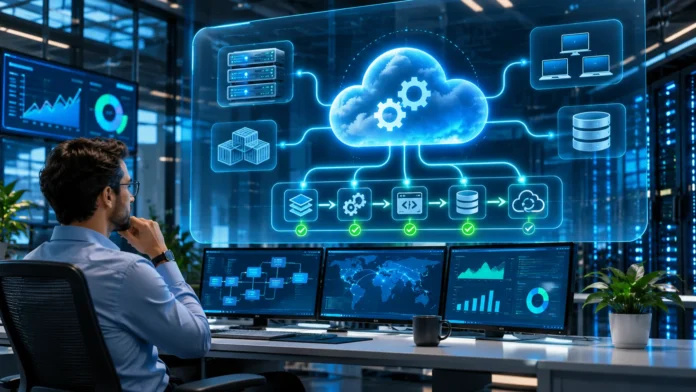
In software development, a greenfield project involves creating a new application or platform without modifying an existing product as its foundation. Development teams can select suitable programming languages, databases, frameworks, and cloud infrastructure. This flexibility supports modern architecture and well-defined security practices. However, teams still need to consider business requirements, future integrations, ongoing maintenance, and expected system performance.
Brownfield software development focuses on enhancing or transforming existing applications and technology environments. Typical activities include adding features, improving performance, migrating databases, or replacing outdated components. Development teams must understand the current architecture before making significant changes. Compatibility requirements and existing user expectations can influence technical decisions, particularly when the application supports essential business operations.
The choice often depends on whether existing technology still provides meaningful business value. Rebuilding a poorly maintained application may make sense when its limitations prevent further progress. However, completely replacing a stable system can introduce unnecessary costs and operational risks. Many organizations prefer gradual modernization, using APIs, modular components, and carefully planned migrations to improve technology without disrupting everything simultaneously.
Real-World Examples of Greenfield and Brownfield Projects
Manufacturing provides a clear example of how these approaches differ. A company building a new production facility on previously undeveloped land is undertaking a greenfield construction project. Another manufacturer upgrading machinery inside an existing plant is completing a brownfield project. Both businesses may seek greater production capacity, but their infrastructure requirements, investment levels, and operational challenges can differ significantly.
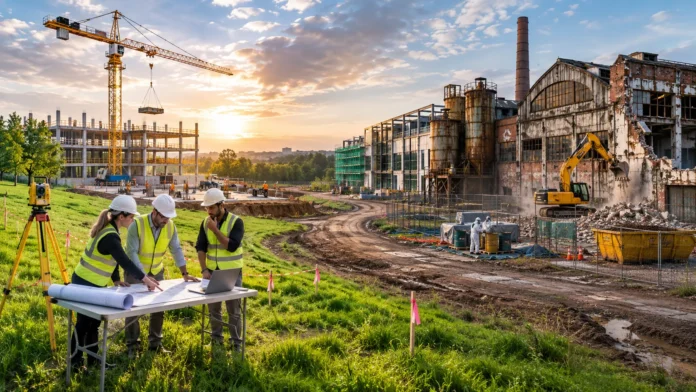
Urban development offers another useful comparison. Constructing a new commercial complex on undeveloped land represents greenfield development, while transforming an abandoned industrial property into offices or housing represents brownfield redevelopment. The second option may benefit from existing roads and utility connections. However, developers must evaluate structural conditions, local planning requirements, and possible environmental contamination before beginning construction.
Technology businesses also use both approaches to support digital transformation. A startup creating its first customer management platform might choose greenfield development for architectural flexibility. An established company improving an older customer relationship management system is working in a brownfield environment. The appropriate choice depends on existing technical capabilities, customer requirements, available resources, and the business value of replacing or retaining current systems.
How to Choose the Right Project Approach
Selecting between greenfield and brownfield development starts with understanding the project’s main objectives. Organizations should identify required functionality, available capital, desired completion dates, and future expansion needs. They must also evaluate existing infrastructure and its remaining useful life. These findings provide a practical basis for deciding whether starting fresh or improving established assets better supports long-term business goals.
A detailed feasibility assessment can reveal costs and risks that are easy to overlook. For physical projects, this may include site inspections, environmental studies, engineering evaluations, and regulatory reviews. For technology initiatives, it may involve system audits, dependency mapping, security assessments, and migration planning. Comparing realistic scenarios helps decision-makers avoid relying on assumptions about which approach will be cheaper or faster.
Sometimes, a hybrid approach offers the most balanced solution. A business might develop a new software platform while gradually transferring data from an existing application. Similarly, a manufacturer could build a new production unit alongside an operating facility. This strategy combines selected benefits of greenfield development with the value of existing assets, although integration and coordination remain important considerations.
Conclusion
The greenfield vs brownfield decision depends on project requirements, available resources, and long-term business priorities. Greenfield development offers freedom to design new facilities or systems around current needs. Brownfield development focuses on improving or repurposing existing assets. Both approaches can deliver strong outcomes when organizations understand their opportunities, limitations, and practical implementation requirements.
Greenfield projects may be suitable when existing infrastructure cannot support the intended goals or when greater design flexibility is essential. Brownfield projects can work well when valuable assets remain useful and modernization is practical. However, neither option guarantees lower costs, faster completion, or better performance. Financial planning, technical evaluations, and risk assessments should guide the final choice.
Before starting a project, businesses should compare investment requirements, operational disruption, environmental responsibilities, and future growth opportunities. Considering these factors together creates a clearer understanding of each development strategy. The best project approach is ultimately the one that delivers the required business value while managing costs, risks, and long-term responsibilities effectively.
Frequently Asked Questions (FAQs)
What is the main difference between greenfield and brownfield projects?
A greenfield project starts with new development, while a brownfield project modifies or reuses existing infrastructure. Greenfield projects offer greater design freedom, whereas brownfield projects can preserve valuable assets and reduce certain startup requirements.
Is a greenfield project more expensive than a brownfield project?
Not always. Greenfield projects may require significant initial infrastructure investment, while brownfield projects can involve expensive repairs, remediation, or integration. Actual costs depend on project size, existing conditions, location, and technical complexity.
What is an example of a brownfield project?
Renovating an existing factory, redeveloping an abandoned industrial site, or modernizing legacy business software are common brownfield examples. Each involves improving or adapting assets that already exist rather than starting entirely from scratch.
Which approach is better for software development?
Greenfield development works well for new applications requiring architectural flexibility. Brownfield development suits existing systems that still provide business value. The better option depends on technical debt, integration needs, budgets, and long-term goals.
Can a project combine greenfield and brownfield development?
Yes. Organizations can build new systems or facilities while retaining useful existing components. This hybrid approach supports gradual modernization, but it requires careful planning to manage compatibility, operational continuity, and project coordination.